Two jobs, not two grades
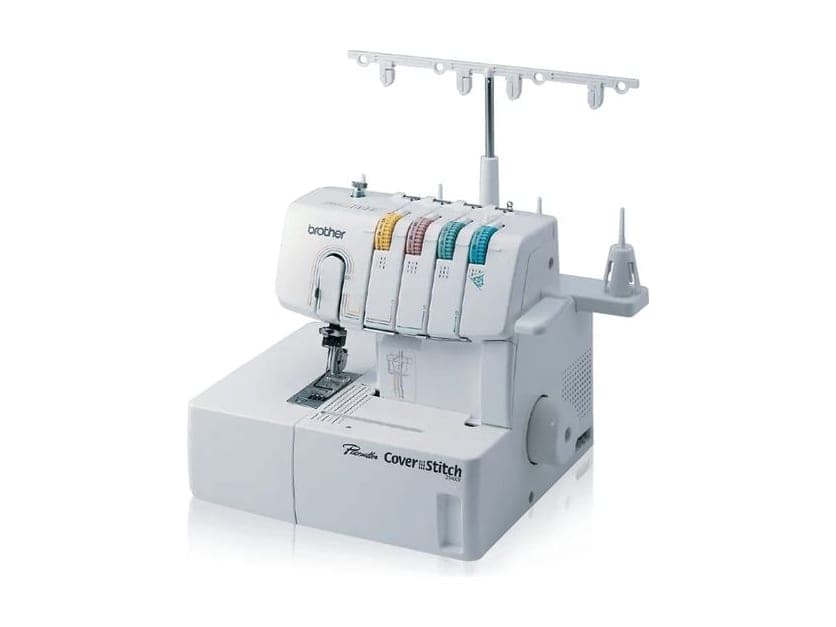
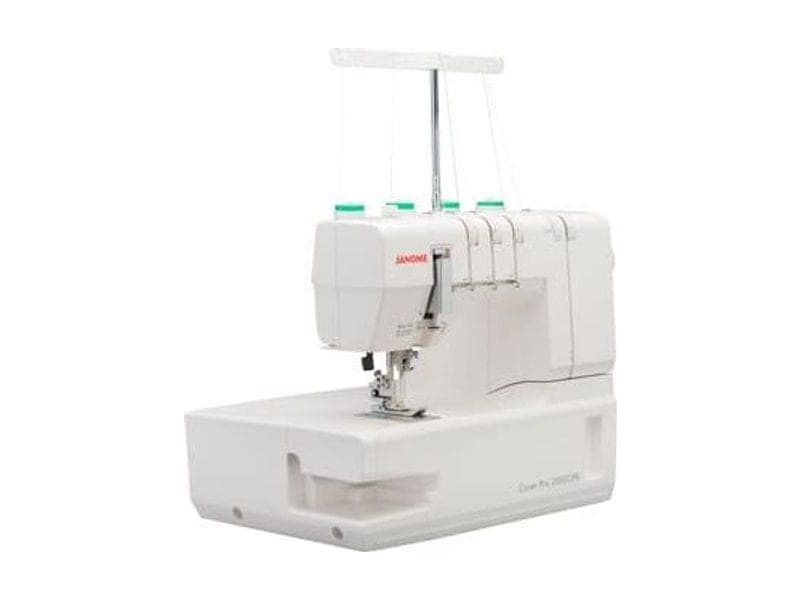
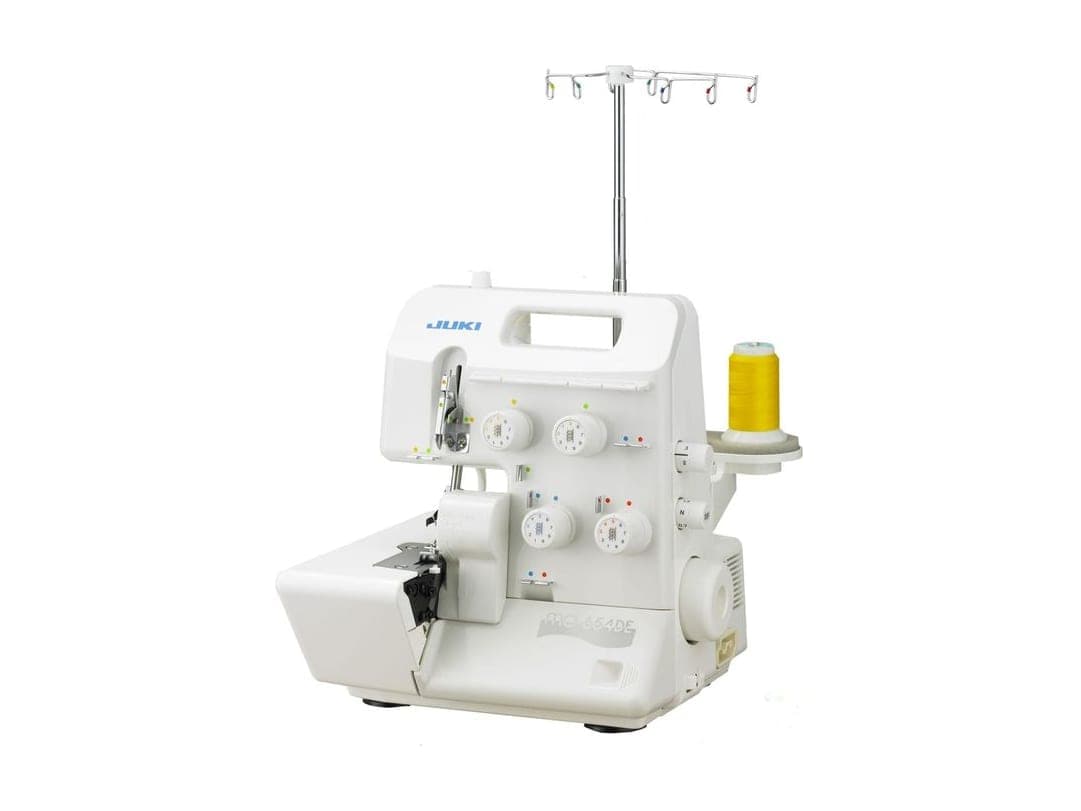
A serger works at the edge: it sews the seam, cuts the allowance and wraps the raw edge. A coverstitch machine works anywhere on the fabric: two or three needles on top, one looper underneath, no knife. That is the stretch hem on activewear and the neckline finish on a T-shirt.
Definition
Coverstitch
Two or three parallel rows of straight stitching on top, with a looper thread zigzagging between them underneath. It stretches with the fabric and covers a raw edge on the hem.
Side by side
Combination machines
Some machines do both, converting between overlock and coverstitch. They save space and money against two machines. The trade-off is conversion time each switch, which is why people who do a lot of knit garments still end up with two dedicated machines.
Short answer
Buy the serger first. Add a coverstitch when hems, not seams, are what you are unhappy with.